
-
Book Worm

A rare and unusual creature, the book worm is only found in large, old libraries or book depositories; they crave knowledge more than anything else.
Category: Domestic
History
Book worms are often noted in legends as great keepers of knowledge, and many a hero has sought one out for their wisdom. Most stories that they appear in, however, usually give their role to others, human scholars or occasionally dragons instead, as the book worm isn’t an especially grand figure in legend. Because of these changes, they are not accurately depicted in media or myths.
Traits and Behavior
Book worms are a small species, rarely being more than 6 inches in length and not especially wide. They can come in a wide range of colors, and usually have the appearance and texture of an aged leather strap or book mark. They can lay almost flat, and can be pressed between the pages of a book without permanent harm.
As their name suggests, book worms live in libraries, private collections and even dragon hoards, so long as they contain a large number and variety of books. They spend their time reading and reviewing any book in the collection they like, both fiction and non-fiction, and will be able to recall everything they read no matter how long ago they had read it. Their interests can vary from the broad to intensely narrow, and tend to become more specific as they age. Once they have read every book in the collection, they crave new knowledge and will do their best to gather more books. If they are unable to do so, they may attempt to reach another library instead.
Book worms prefer not to be bothered, so they tend to sleep during the day and move at night when there are fewer people around. They have excellent night vision and can read in almost pitch blackness. If they have settled into a purely human library they may intentionally avoid detection, but in supernatural libraries or dragon hoards they do not attempt to hide their presence, and can be approached for calm conversation about what they have read. Most book worms are happy to discuss the books they have read, or to offer guidance and expertise on topics they have researched.
Angering a book worm will do little except make them unlikely to help you, but be warned that their grudges can go for generations; they can be forgiving, but they do not forget a slight.
Book worms can live for centuries, and there are some reports that a book worm can live as long as they are provided more books and more knowledge, and they do not truly die until they can no longer learn. Whether depriving a book worm of new reading material will actually cause their death is unknown, but they do often disappear if their chosen library is destroyed, so there is some possibility that they are tied to it (or are at least vulnerable to fire).
Book worms are not born from other worms; they appear in a growing book collection as a small egg, nearly invisible; if the collection continues to grow, the egg will grow and eventually hatch. This can occur even if other book worms live in the same library, as they do not seem to be territorial. Book worms are known to either form close relationships with others that share their interests, or intense rivalries within that same group. These rivals will engage in debate, rather than any physical violence, and these debates are known in the supernatural community to be a fantastic competition of wits and knowledge. Book worms may also engage in debate with other species, should that other individual prove to be knowledgeable enough in the topic.
Despite some rumors, book worms value their spare time and will refuse to engage in debate anyone that does not have the necessary grasp on the topic, no matter how irritating or incorrect the person is, and how easily they might defeat them in debate. Book worms do value different ideas, and will happily discuss any different values or interpretations so long as they are well thought out. If they are approached in good faith by someone with a lack of knowledge, and that person is polite enough about their inquiries, they may decide to provide a teaching moment, but they are notoriously impatient with students and more often choose to direct the person to the correct books instead.
Book worms claim they do not need to eat, but have been known to consume warm drinks and occasional cookies, so long as they are away from any books that could be harmed. They do not appear to need these things for nutrition, merely for the joy of eating, and can be tempted by unusual recipes or historic recreations, especially if those foods are an interest of theirs.
To gain the favor of a book worm, either to gain specific information or because you have insulted them, providing new knowledge is the best way to go. This does not need to be a book (though they are welcome), and can be anything from a recreated historic item, artwork, or even anecdotal stories. The key is for the gift to either be something the library can keep for further research, or something that can teach the book worm something new (a new kind of knot, for example, or origami).
Book worms can learn to speak any language, no matter the vocal range, and may learn dozens throughout their lifetime.
Weaknesses
A book worms true weakness is being proven wrong about something. While they are happy to learn something new, they are intensely bothered when wrong about anything, no matter how minor or how they came to the wrong conclusion. Proving a book worm wrong about something will usually cause the worm to retreat until they are able to correct their mistake and become more knowledgeable on the topic than the person that corrected them.
However, if you are able to actually teach a book worm something new, especially on a topic they already have an interest in, they will be your ally for the rest of your life, and possibly into your descendants.
-
Stump Trolls
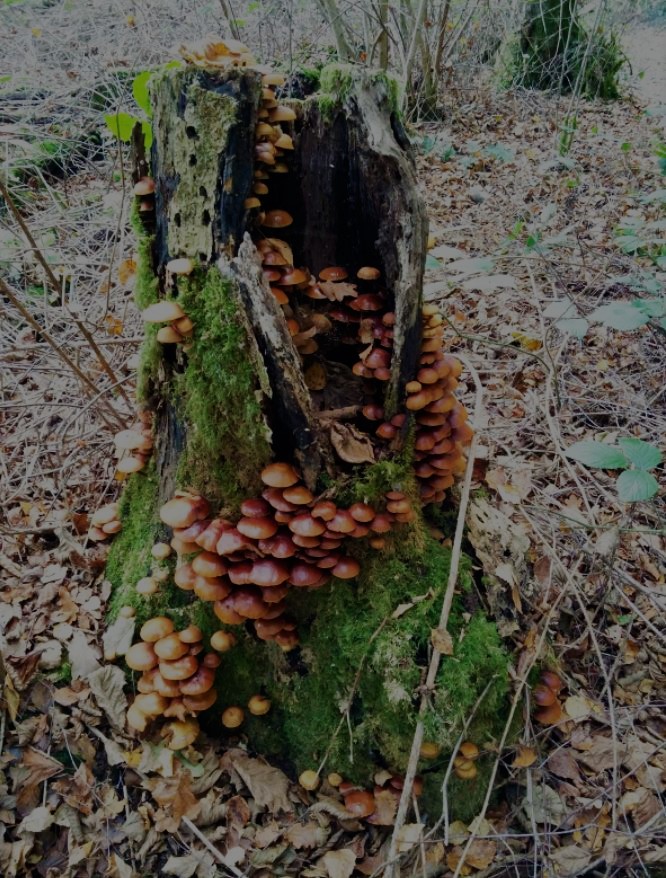
Stump trolls are one of the smaller species of troll, and they live in the woods and fields. While not especially shy, they are rarely seen due to their impressive camouflage.
Category: Forest
History
Stump trolls are a species rarely noticed, as they do not appear at first glance to be anything but a tree stump or another natural feature. When noticed, they are often mistaken for infant giants, goblins or even one of the fae. Therefore they have very few known encounters, and tend to pass below notice in most cases.
Traits and Behavior
Stump trolls, despite commonly being mistaken for goblins, are more closely related to giants and greatly resemble them. They are vaguely humanoid in that they have two arms and two legs, and generally walk on their feet. Their overall appearance is that of a tree stump, with their limbs appearing as branches or roots. Their skin resembles bark so closely that it can even grow moss and lichen; some may even develop mushrooms. When they sit or crouch down, and close their eyes, they are impossible to visually tell apart from a rotting stump.
Each hand of a stump troll will have between two and four fingers, as well as a thumb; their feet many have no toes at all. They have two to three eyes and a small nose set into the cracks of their bark; they have a remarkably strong sense of smell, which they use to find their food from miles away. They are a hermaphroditic species and do not identify by any gender.
Stump trolls vary in size depending on region, as they will resemble the trees in the area. Stump trolls in the Redwoods, for example, tend to be the largest of their species. They are rarely found in young or new forests due to the limited amount of rotting trees to blend in with. They are not a very social species, but as they are not territorial there can be hundreds in a small area, so long as there is food and water available. Their appearance is not genetic, and two sibling trolls can look like entirely different tree species if they have moved far enough apart.
Stump trolls are omnivores, and primarily eat food already beginning to rot or decompose. They do not hunt their meat; they are scavengers and can even eat bones and gristle from the corpse of another species’ kill. They are fond of fruits, and will gather ones that have fallen off a tree for later consumption if they are not sufficiently decomposed when they find them. They are very fond of alcohol, and will often seek out satyrs in the woods to attend their parties for some.
Stump trolls are entirely nocturnal; they spend the night foraging for food and singing to themselves in low tones, below what most species can hear. They use these songs primarily for their own entertainment, but they are also used to communicate to other stump trolls about resources in the area, if they are looking for company, information about predators, and so on. Stump trolls may go for years without interacting with one another, but communicate with their neighbors every night. During the day they settle in one place to sleep; they may have just one nesting site or several, but they will not move until the sun has set. It has been proposed that the sunlight paralyzes them, similar to a gargoyle, but this has not been confirmed.
Stump troll infants are born in groups of 3-7, to at least two adult troll parents. At birth they more resemble a root ball or chunk of wood in shape and coloring, but their limbs are more of a pale grey and they won’t develop their bark-like skin until they are 3 weeks old. At that point they are effectively self-sufficient and will travel alone to look for food, though they stay close to their parents for a number of years before they slowly increase their distance and find their own nest sites. Troll parents stay in the same area for those years, but do not form permanent partnerships with each other and will leave once the children are grown. They may have as many as 7 litters in their lifetime, but usually have several different partners rather than one.
Growing stump trolls develop more elaborate camouflage over time, with false branches, scarred bark and even woodpecker holes developing on their skin. Stump trolls have little to no feeling in their skin and are not bothered if actual insects or birds nest on them or eat the outer layer of bark. Lichen and moss growing on them is very common, and even ideal, as it helps them appear all the more stump-like, and they may cultivate it as well. There is some evidence they also use it as a secondary food source.
Stump trolls can live for centuries, and at this time there is no recorded case of one dying of old age. They get slower and more elaborately camouflaged with age, and may not bother foraging every night over time. When they do die, they simply settle down to the ground and in all respects appear to become a rotten stump on the ground. Stump trolls do not consider these brethren as dead, merely sleeping, though whether this is true or just a kinder way of looking at things is unclear. There have been cases where a stump troll has gotten up and started moving again after decades of sleep, so there is the possibility that they are in fact immortal and just need more rest with age.
Stump trolls do not actively avoid other species, but as they only move at night and cannot communicate with most species due to their low, deep voices, they rarely interact with others. They do appear to understand speech at human-level hearing. Many will live near or on mountain trolls and can communicate with them, and they are generally fond of dryad groves though the two species are not known to directly interact. Stump trolls are fond of satyr wine and other forms of alcohol, but as satyrs and fauns travel through the year and stump trolls tend to stay in one area, they don’t interact on a consistent basis. They consider social interaction something to be done rarely, and are content to spend most of their time alone, listening to the movement of the earth and rumble of the mountains, sounds that are hard to appreciate without their range of hearing. Their songs, if one can hear them, are said to be some of the most beautiful sounds on earth.
If a human does come across one, while they are awake, the stump troll will likely continue what they are doing rather than attempt to communicate or even acknowledge the other; unless they were seeking company of some kind, they consider any conversation attempts as rude and invasive, and will try to leave instead of engage.
Weaknesses
Stump trolls are content to do their own thing, are too slow to be an active attacker for most species, and won’t take food or resources that haven’t already begun to decompose, so thus they pose no threat to anyone. There wouldn’t truly be a reason to need to harm one.
That being said, they are essentially invulnerable as any damage done to one will heal over time no matter how severe, and even if they stop moving for decades, that does not appear to be a guarantee that they are in fact dead. Any conflict with a stump troll is likely to end up in a stalemate where you cannot do any harm, and they in turn will outlive you regardless.
-
Satyrs

Cousin to the faun, satyrs are a humanoid species with the lower half of a goat and curling horns on their heads. While they choose remote locations to settle, they enjoy dancing and drinking with many other species and are associated with drunken revelry.
Category: Forest
History
Satyrs have a reputation not just for drinking and partying, but also with being sexually promiscuous and at times being rapists. Many stories of satyrs depict them pursuing dryads and other spirits for sex until the other is forced to transform into a tree to escape. They are often depicted as fertility symbols in Greek myths due to this, and often appear at celebrations of Dionysus, the god of wine and revelry.
The most famous satyr in myth is Pan, an early nature god with the appearance of a satyr, who could inspire madness and ‘panic’ in others and was the inventor of the pan flute. He is also depicted with Dionysus at times.
Traits and Behavior
Satyrs are a humanoid species, with the upper body of a human and the lower half and rear legs of a goat. Their human half usually is dark skinned and has thick, curly hair; the men have curly or wavy horns. Their lower half is that of a mountain goat, with shaggy fur and thin hooves. Some satyrs have the horizontal pupil of a true goat, but not all; most of them have brown or yellow eyes.
Satyrs usually live in large groups that are semi-nomadic, traveling from area to area in a pattern over the year to follow seasonal food sources and herds. Their homes are temporary structures that they can take down when they leave and may carry with them. They greatly enjoy wine and alcohol, and often have the tools to make and age wine at all of their seasonal sites. Because of their fondness for parties and dancing, their campsites will be near large clearings or spaces capable of hosting whenever possible.
Satyrs prefer living in the woods, partially because of the number of other supernatural creatures that also live in the area, but they are well suited to living in the mountains and have created homes on tall cliffs at times. They are known to be a very friendly race, and rarely turn down the offer for a good time. If slighted or threatened, they are vicious and dangerous.
Satyrs bond in a ceremony closely resembling a wedding, as they are fond of any reason to throw a large party, but they do not see the ceremony itself as necessary to confirm a romantic bond. They may bond in a couple or in larger groups, and the group may travel between various satyr groups throughout the year or create their own herd if they have enough members to support themselves. Satyr children are raised by their parents and their bonded partners, but may be watched over by other members of the herd.
Kids will reach puberty by the age of 9, and are considered adults at the age of 20. While a satyr may stay with the same herd for their entire life, it is common for them to leave and join other herds for a time before circling back to their first herd.
As with fauns, they are very fond of nature and the forests they live in in particular. However, unlike fauns, satyrs are omnivores and actively hunt for food and leather. They create a number of crafts from the materials collected from hunting, and make sure to use every part of any animal they kill. Bones, horns, and even teeth will be used for various crafts and tools, and a thanks will be said over the body before they do anything else. They usually wear clothing made from dyed leather, but may weave their own cloth or trade for it. They are fond of bright colors in their clothing, and use a variety of natural dyes to achieve this.
They do have a long history of trading for materials not available in the woods, such as metal bands for wine barrels and instruments, or fabric not available in their area. They give away their wine and small crafts in exchange, and usually have some party to celebrate afterwards.
Satyrs are very fond of dancing, drinking and partying. They will invite anyone they like to join them, and offer food and drink freely. It is polite to bring something with you, whether that is food or an instrument to play, or cards for a game, but satyrs are fairly easy going and so long as you are an enjoyable guest they will welcome you. They greatly enjoy the opportunity to try new kinds of alcohol and food, but it should be noted their wine is supernaturally strong for a wine and it may not compare to anything you can bring. It should also be noted that even a kid will have a higher tolerance for alcohol than most humans; a drinking contest is not advised if you want to remember the next week.
Satyrs can live up to 500 years, growing tougher and slower as they age, and by the end they may have to be carried when the herd travels. Generally the elders of a herd are the leaders, but younger satyrs can petition the herd as a whole to take up a position if they feel strongly about the herd needing their guidance. Younger satyrs may also decide to take a group and start a new herd to travel elsewhere. Some choose to find settlements with their cousins the fauns instead, if they are committed to their quieter lifestyle. Fauns also may join a satyr herd, and the species are close enough to allow for mixed species children. Mixed species pairs are not uncommon, though they are more common in satyr herds than faun ones.
While satyrs have a reputation for being forceful and violent, they are generally only violent if threatened. Dryads are not fond of them due to the noisy and energetic they are, but do not fear them. Satyrs will attack violently if their herd is threatened, or if their neighbors (dryads, fauns, any other species they are friends with in an area) are in danger, which may be the cause for their reputation. If properly slighted, they are of a salt-the-earth mentality and will destroy any chance of that enemy ever coming back. Their version of harm is also a bit more broad than others, considering permanent damage to the forest they live in as a threat and even littering can be a slight.
Satyrs are fast, reaching speeds of 30 miles per hour, and can climb almost entirely sheer cliffs and tall spindly pines. They can also jump great distances, even if they usually use this skill to show off in their dances.
Satyrs prefer the forests due to the abundance of available foods, but can live in a wide variety of areas, and have a high tolerance for the cold. They may wear coats or cloaks in the snow, but these are usually more for the opportunity to wear more colors than the temperature. Their sense of fashion tends to be bright and eclectic, and they take pride in being able to effectively move through the woods unseen despite these choices.
Satyrs have a very small amount of magic, which they use to create their wine and make it stronger and provide a feeling of euphoria. The effect isn’t dangerous, generally, as it is only strong enough to make one feel lighter and more like having fun that night, but large amounts in a human can produce a manic feeling. Satyrs themselves only feel a mild pick-me-up, and are not always aware of how much stronger the effect will be on humans. Please party with satyrs responsibility.
Weaknesses
Satyrs are hardy and can take a lot of physical damage to be harmed; they at times seem to gain a berserker rage when attacked. If you have reached the point of them physically attacking you, your best bet is to get away, as any satyr that is already that angry will not rest until you are dead, and their herd is likely not far behind them. Satyrs may pursue you out of the woods, but not far; you would be wise to avoid entering any deep woods again, however, as they will spread word of what, exactly, you did to anger them to anyone they meet.
To keep this from happening in the first place, be polite, a good guest if you go to their parties (there is no shame is saying no!), and don’t attack or harm their friends or home. This could be anyone you meet in the woods, and the woods themselves.
-
Fauns
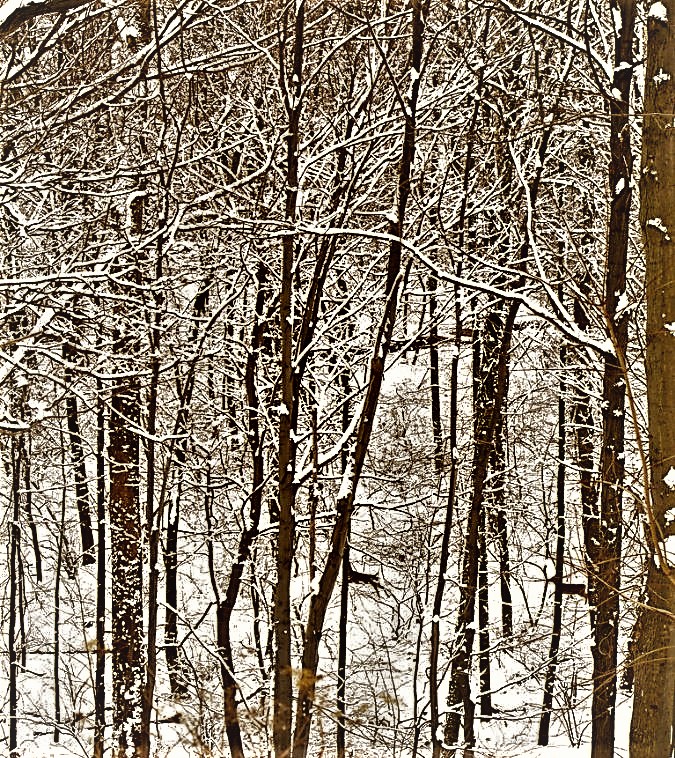
A cousin to the satyr, the faun is a humanoid forest creature with hooved legs resembling those of a deer. They are highly attuned to nature and are rarely seen due to their secluded homes.
Category: Forest
History
Fauns are most associated with nature, and are generally benign figures in any legends. Any more aggressive behavior has usually been attributed to their cousins the satyrs, who have a less gentle reputation. Fauns are often seen at revelries held deep in the woods, and are depicted as friendly and cheerful hosts if encountered.
Traits and Behavior
Fauns have a humanoid torso and furred, hooved legs closely resembling those of a deer. They are primarily brown, both their fur and skin, and frequently have dark freckles or moles on their skin. Both genders will grow antlers in adulthood; males lose theirs and regrow them in the spring, females lose theirs in spring and regrow them in late summer. As children, fauns have spots on their lower half that sometimes travel onto their skin as birthmarks. These will fade into adulthood. Their hair is also usually brown, but has been known to take green tones with age. Their eyes are usually green or brown, but other shades can occur.
Fauns prefer to set up small, minimal settlements deep into the forests, as far from civilization as they can. Their homes and buildings are simple, using only what materials were already available, never cutting down any trees foliage. Often their settlements will be partially within natural caves or against cliffsides for protection from the elements. They are fond of running and dancing in the rain, but prefer to sleep with some cover. Fauns that live in more northern areas tend to have strong tolerance for the cold, and grow shaggier fur and long thick hair.
Fauns bond in couples in a way similar to marriage, but are far less strict about genders and number of partners. While most choose to have a settled partner or more before having children, not all do. Children, or kids, are raised primarily by their parents and their partners, but may be watched over by other members of their community as well. They will have spots on their legs and lower torso until the age of 7-9, at which point they will begin growing their antlers, lose their spots and begin puberty. They are not considered adults until the age of 20. A faun will likely stay within their community for life, unless they form a romantic partnership with someone from another group and choose to move.
Fauns are herbivores by choice; they can digest meat, but prefer not to do so and will not kill unless absolutely desperate. More often, they may scavenge from another species’ kill. They do not farm, and instead roam through the forests they call home for fruit and vegetation, and may travel for days to gather different foodstuffs to store for the year. They will eat unfertilized eggs and may raise birds for that purpose, but are lactose-intolerant after the age of three and cannot digest milk. Many fauns will gather honey, but will not directly keep hives, and will only take honey if they do not harm any bees while gathering it. Some groups will trade dried herbs and flowers for non-local foods with other species, or even their own crafts, but due to their secluded homes they do not like to rely on anyone that doesn’t live in the area, as depending on travelers is risky.
They are fond of handmade crafts but are very particular that anything made had to be materials already dead, with exceptions made for leaves or flowers that were safely removed without harming the plant. Jewelry and decorations made from wood, stone or bone are common. A faun can tell if anything was intentionally killed instead of found already deceased; if they find anything intentionally killed for any reason (discluding self defense), they will hold a small funeral ceremony for the deceased. Any time they themselves use a material, they will give a thanks to the tree, plant or animal that provided it. The length of this can vary depending on the amount taken, and for what purpose.
Fauns can live up to 500 years, and will develop larger and more elaborate antlers as they age. Their communities are typically led by a group of elders of any gender. As their community size will vary depending on available resources, the number of elders will also vary depending on population. If at any point a community becomes too large for the area, one or several elders will volunteer to lead a group to create a new one, traveling until they find another site to settle in.
Fauns are fast, with speeds of over 30 miles per hour tracked at times, and because of their coloring are talented at hiding and moving through the woods without detection. They are also talented climbers, even on sheer cliff faces, though they prefer the woods to mountains. If threatened, they will usually flee, depending on their knowledge of the woods and speed to get out of danger. They can use their antlers and hooves to defend themselves if necessary, but prefer not to harm others unless forced to. They rarely if ever carry weapons, and if a tool is ever used for violence it is later disposed of.
While fauns have a high tolerance for temperature changes, they are easily injured and take slightly longer than most species to heal. This is partially why they have a reputation for being delicate, though it is frequently over-exaggerated. Fauns will care for their injured neighbors and family very carefully, and may even call in fauns from other communities for help.
Fauns rarely live with other species; the one exception being satyrs. If a faun is less inclined to remain vegetarian or stay secluded, they will find a satyr community to live in instead; the species are closely related enough to have children together, and it is common to find mixed species couples and children in both communities. Satyrs may move into a faun community if they are coupled with a faun, and will also live by the community rules of vegetarianism and not harming any living things. Any members of the community to break these rules are required to leave.
Fauns are not especially magically powerful, and cannot directly cast magic. A group of fauns in an area will likely make the place stronger and healthier, but this is a passive effect and will occur regardless of if the fauns intended it to or not. They often live near dryad groves, and both groups consider the other good neighbors and will protect the other. Neither group considers the other as living in their community, regardless of how close they may, completely coincidentally, live. Because of their affinity for nature, other species may also be found near faun settlements, but because they prefer solitude, they will avoid most other species and may even move if an area becomes too busy.
There are stories of humans hunting down fauns either due to their nature affinities or due to their perceived weaknesses. Thankfully, few of these stories are actually true, but it has been known to happen. Fauns will run when threatened, but will not abandon each other, so they set up elaborate escape paths and tunnels around their homes to flee to if the settlement is threatened. Some communities will connect to others as backup homes, but most escape paths will lead into wilder and less hospitable locations.
Fauns do not bury their dead; they are left to rest on the ground some distance from their home, covered in leaves, branches and moss. Fauns rarely visit gravesites, and rarely leave two bodies in the same area unless they died together or were romantically involved. They prefer to give the body to nature, in whatever way nature intends to use it. Any belongings the deceased faun has will be shared amongst the community, with family having first pick.
Weaknesses
Fauns are not particularly hardy, therefore a broken leg would be all that was needed to escape if you had to do so. A faun living with satyrs will possibly carry weapons from their new herd, but most will flee whenever possible and are not a threat. As they do not have any ability to cast magic, their strength lies in their abilities in climbing, running and hiding.
-
Faerie Rings
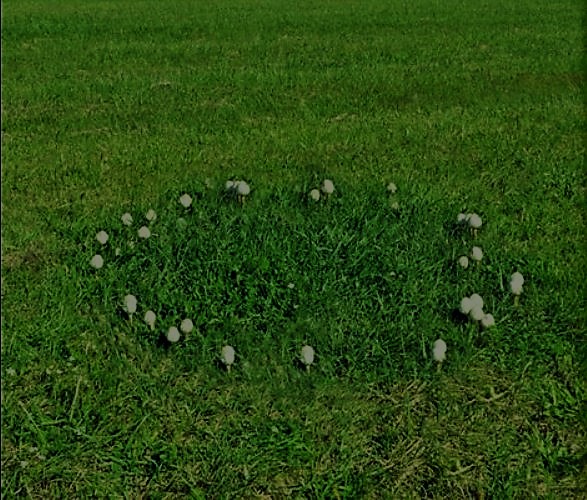
Faerie rings are not technically a creature, rather a manifestation of magic surrounding a weak point between realms. They are dangerous only if entered.
Category: Location
History
Faerie rings are commonly associated with stories of humans becoming trapped in the faerie realms or Underhill, a faerie town of sorts. To become trapped, one merely has to step completely inside the ring. To the person who walked inside, nothing will appear wrong until they try to leave, at which point they will be revealed to be trapped on the other side of the ring, or find that if they can leave, centuries have passed in what felt like moments.
Traits
A faerie ring is a circle of plants, most commonly mushrooms, found often in the woods or wilderness somewhere. They form as a natural marker of a weak point between realms, and usually signify a place where one can move between realms. For the fae and other supernatural creatures, this poses no issue, but for mortal species time becomes unstable. Mortals that pass through the ring can become trapped if they do not carefully follow faerie rules of hospitality, and even if they manage to go back home, there is no guarantee that it will be when they left. While arriving many years after their departure is common, arriving before they left has also happened, resulting in unstable timelines and occasional death from the confusion.
If one is welcomed into the ring by one of the fae, and they agree to your safe entry and departure, it is safe to travel to the other side, but the rules of the faerie realm still apply, and your guide is under no obligations to help you unless that have promised to do so. Fae cannot lie, so their word can be trusted, but they may twist their words if so inclined. A promise is only worth the exact wording and no further.
Faerie rings can form anywhere, but commonly form on the sights of high magical activity, or on the graves of dead dryads and other location-locked supernatural creatures. The fae themselves do not create the rings, as they can usually make their own ways between realms. Mushroom sprites have been known to be attracted to their locations. Other species are also drawn to the site of a faerie ring, but whether it is the ring itself or the residual magic in the area that draws them in is unclear.
Besides being a perfect, unbroken circle of plants, all of which will be the same regardless of which species makes up the ring, there are other ways of confirming a faerie ring. There is a general feeling of foreboding and strangeness around the area. The interior of the ring will be pristine; no litter, animal droppings or even fallen branches. If you leave something inside the ring, it will either be gone on the next visit or set outside of the ring. If it is gone, it has been accepted as a gift to whoever came across it first. Being left outside the ring is a sign it has been rejected.
While it would not be recommended to enter the ring without a guide you trust, leaving gifts inside can earn you the goodwill of your supernatural neighbors. If you are leaving gifts, things like milk and honey, or handmade items, will usually be welcomed. Only leave meat if nothing else has been accepted. If you have started gifting, you may stop at any time, but it would be wise to ensure at least one gift has been accepted before stopping, lest whoever has ben rejecting the others is disappointed and seeks you out for more.
Faerie rings will only form in places of high magical energy, and therefore are rarely anywhere near residential areas. If one is found near a neighborhood or town, it’s almost certainly because a fae (or more than one) lives there. It would be best to avoid any such rings, as a faerie living amongst humans will likely be more paranoid than most and won’t appreciate any gifts or anyone present near their ring. If you find a faerie ring in a more secluded area, it’s less likely to be claimed or to belong to any one person.
Weaknesses
Faerie rings are only dangerous when entered, and can safely be avoided without issue. The only issue that could come up is if one appeared on your property; a blatant move onto personal property can be taken as either a very strong invitation or a threat. Best to place an offering inside the ring and avoid stepping into it unless a person actually shows up to clarify further.
-
Weather Fae

Weather fae are a branch of fae directly associated with either a weather phenomenon, or in some cases a specific event such as a volcanic eruption or hurricane. They are born on Earth, but will usually reside in the Faerie Realm.
Category: Fae
History
Weather fae have been directly blamed for causing large storms or natural disasters in the past. Some of the most famous being the destruction of Pompeii and the historic flood. They are often associated with weather gods in the area, though they are not actually deities. Since the fae in question rarely stay in the area afterwards, there usually aren’t similar events in the area for a time, so a region should be safe from supernatural weather after the initial event.
Traits and Behavior
Weather fae are born from the storm, and do not actually cause the event in question. When a natural storm, or catastrophic event such as an eruption or earthquake, begins to build up, there is a gathering of energy that under the correct circumstances will create an infant fae. They will absorb the energy when the storm/event reaches its most volatile point; at this point they are newly born, and the storm will dissipate. This process does not always happen, as the storm itself may not build enough energy, but if there is a weather fae born, the area will not have any severe storms of that nature for several years. The infant in question will have magical abilities directly tied to the event in question, and will take on physical traits to match over time.
During infancy, they will take on the physical appearance of the first people to find them, as they are helpless and will need to be raised by others. Often other fae will gather around building storms to find the infant, but humans have been known to find the child first. If raised by humans, their magical abilities will not manifest until puberty or later; weather fae raised by any magical creatures or individuals will display abilities sooner. Some weather fae have been raised by animals or other supernatural creatures, and will grow to resemble those species as well, though they will have sapient-level intelligence as they age.
Until puberty, they will appear to physically resemble their parents or guardians, and any magical abilities that appear will be subtle. At puberty, a number of changes will accompany the standard changes for their species. Their skin, hair/fur, and any other physical traits will grow to resemble the event that birthed them. For example, a weather fae born from a storm will usually develop dark skin or fur, and often have streaks of electricity crossing their body. A volcanic fae may appear to have cracking magma across their body, or hair resembling smoke.
Their magical talents will also grow to resemble their origin storm. A fae born in a thunderstorm will be able to cause storms and rain, for example. How strong their abilities are will depend entirely on how strong the storm that birthed them was. The more cataclysmic the event, the stronger the abilities. Due to their strange traits and the timing of their development, some weather fae are mistaken for changelings, though no trade has been done for them. Sometimes fae will steal the weather fae children and leave a changeling in their place, but
After the weather fae has moved through puberty entirely, which can vary in speed depending on the species that raised them, they will feel the desire to move away from the area they were born in if they have not already. This is because they effectively drained the area of the magical energy they use, and will seek that energy out to develop to adulthood. They will either encourage their family to move away, or may venture out themselves, as they will not develop to adulthood without additional energy reserves. Weather fae unable to leave an area will not age until they are able to gather the needed energy.
Weather fae will feel if another fae of their type are about to be born, and will often travel to adopt the infant themselves. Other fae may do so as well, as many species of fae struggle to have children. Weather fae are capable of having their own children, but the children will not be weather fae themselves. They more often resemble the other parent, or the species that the weather fae was raised by.
Weather fae will keep the body type of the species that raised them, and will eat the same diet. Besides their abilities and the physical traits that change during puberty, they will remain a typical member of their species, and will seek out the same types of homes, food, and resources.
By adulthood, weather fae have absorbed all the energy they need, and don’t have to stay in the human realm. Many choose to go to the faerie realms for convenience (magma skin tends to be noticeable, and not desirable). Those who stay usually have to create some disguise or glamour to hide their unusual features. They will age far slower than whatever species they were raised by, but they are mortal and will eventually reach old age. At their death, they will release the magic that created them into one final storm. It is not uncommon for a new weather fae to be born from this, though they will have no memories of their previous incarnation and may not resemble them besides superficially.
A weather fae that chooses to live in the faerie realm is effectively immortal, as time stands still there, but they will struggle to use their magical abilities to full strength. This is because the human realm is where the magic originated, and moving between realms dampens it. Moving back and forth between realms can keep their powers at full strength, and will slow down the aging, but it will not completely prevent it.
While the faerie realms can have similar storms, they do not gather the necessary energy to create a weather fae, so all weather fae will be born in the human realm. It is unclear why, exactly, the faerie realm magic will not form weather fae.
Weaknesses
Weather fae are more like the species that adopts them than like each other, and should be approached with that in mind. A weather fae raised by wolves will have the teeth and claws of one, a fae raised by humans will attack the same way. Their magical abilities are all but non-existent during childhood, and weak between puberty and adulthood.
Weather fae are weak to iron, but can touch it, unlike other species. Ones raised by humans or other mortal species will have a higher tolerance to the material, but it will still cause pain over time.
-
Mushroom Sprites

A distant relative of the common sprite, the mushroom sprite is similar in many aspects, and they often live together in communities.
Category: Forest
History
Less tricky than their cousins, mushroom sprites are more likely to be seen near fairy circles, often being used as a way of finding them by humans. They are rarely seen moving by anyone, and are more likely to be noticed because of their unusual faces.
Traits and Behavior
Mushroom sprites are around 5 inches tall on average, and closely resemble various species of mushrooms. The most common form is the Fly Agaric (red with white spots), but a wide variety can exist, and some sprites may change over time if their environment changes. They almost always have the form of a poisonous species. The head of the sprite will resemble the mushroom cap, and when threatened they will crouch down to appear like a common mushroom, depending on their poisonous appearance to ward off predators.
Under the cap, they have a small vaguely humanoid body; their torso will appear like a mushroom stalk, with the limbs splitting off like branches. They can have a less humanoid appearance or extra limbs, but this is not common.
Mushroom sprites usually gather in large groups, preferring ground level places to set up communities, like the hollows under tree roots or around fallen rocks. Communities are often made up by mushroom sprites with the same mushroom appearance, as what type they take the appearance of is based on their location and the available species of the region. They can also be found living in communities with other sprites and as with common sprites prefer to build using natural materials such as dead branches or bark. They wear minimal clothing, but will use leaves or scavenged human materials for their clothing. Unlike common sprites, they do not decorate with human items and show little interest in humans as a whole.
Mushroom sprites are born as spores; after fertilization, the parents will settle the spores in a fertile garden area and wait for them to sprout. Many will not, but the ones that do will grow (appearing similar to a sprouting mushroom) after a few weeks, and are almost immediately mobile.
Mushroom sprites are longer lived than common sprites, often reaching up to 500 years of age. After reaching maturity at around age 10, they show minimal signs of aging until their last few years. After death, their body often sprouts into their mushroom appearance, so their bodies are carefully laid to rest in a fertile area to allow this cycle.
Mushroom sprites are omnivores, and can feasibly eat anything. While they very rarely hunt, they are occasionally known to seek out meat from mice and small birds. More often, they are scavengers and will gather food from the remains of another predator’s kill. They often gather fruits and plant life for food, but are known to consume bark and wood in some cases, usually after the material has been given the chance to decay. They also enjoy some species of lichen, and often cultivate it near their homes.
Mushroom sprites are naturally drawn to fairy circles and set up their homes near one if possible. Many fairy circles are formed over the graves of the fae or other supernatural creatures, which can include mushroom sprites. If you find a number of mushroom sprites congregated in one area, chances are theres either a fairy ring in the area or will be one at some point in the near future. Despite this, mushroom sprites have little innate magic of their own and do not seem especially sensitive to its presence, as they don’t gather in any other areas that have similar levels of magic. Given mushroom sprites preference for decay and decomposition, it is possible they only seek out magical areas associated with death.
Mushroom sprites do not need to sleep as long as other species, and may spend as few as 5 hours a week asleep. Typically they sleep at night, but have been known to do so during the day, so this seems to come down to personal preference rather than a species specific.
Mushroom sprites are reclusive, and will rarely approach human settlements as they don’t offer the kind of lands they prefer; they seek out damp, often swampy areas and keep to the shade. Some do seek them out as a delicacy, but as the majority of their body is poisonous, it is better to leave them be.
Weaknesses
Mushroom sprites need a great deal of water, and if deprived of it long enough will die and wither instead of sprouting a mushroom. Granted, most species will die if deprived of water, but it will go faster here. Heat and sunlight can also be effective, but they merely dislike sunlight, they can tolerate it just fine.
They can also be picked off the ground and eaten, but as stated, are extremely poisonous, so this would be ill-advised.
-
Mimic Spirits

While not technically ghosts, mimic spirits often take the voices and vague appearances of deceased loved ones, lingering near mourning individuals for months or even years.
Category: Apparition
History
Mimic spirits are known to linger around cemeteries and follow individuals home. They eventually start mimicking the deceased person in order to stay, using the emotional connections to encourage the family members not to force them out. As with shadows, they are the cause of a number of haunting stories, but unlike shadows will seek to limit their effects on others and will leave a home if it is deemed haunted.
Traits and Behavior
Mimic spirits are small, translucent beings that appear as a glowing orb or occasionally a small flame, generally blue. They are technically a collection of energy, and do not have a physical form; they can pass through most solid objects unless they are very thick (as they lose too much energy moving through them). They are very susceptible to bright lights and rain, and try to find shelter indoors whenever possible. To find shelter, they seek out mourning families and individuals, trying to imitate the deceased person to the best of their ability in order to hide their presence within a home as a haunting.
Mimic spirits primarily aim to imitate voices, ‘speaking’ in a whisper and repeating phrases they hear around the house. They will usually repeat names over and over again, floating out of sight. If sighted, they are quick to disappear, and can pass through walls and floors to do so. They can be caught on camera, but their unique physiology causes most photos to come out blurry and unfocused, appearing as a flare or smear most often. Over time they can manipulate the light around them to appear vaguely humanoid, relying on wishful thinking (or fear) to sell the illusion that they are a ghost.
Mimic spirits do not actually understand the words they repeat, and can be caught by repeating nonsense phrases or single words over and over. If caught, they will flee, usually back to a cemetery to repeat the cycle. They may hide in a forest area if they need to escape, and can be mistaken for a will-o’-the-wisp, though they aren’t as bright and will follow travelers rather than the other way around.
Mimic spirits seek out shelter due to their vulnerability to the elements; rain can put out their light entirely, and bright sunlight can disperse their energy, which takes time to reform. They seek out humans in order to consume the carbon dioxide they breathe out, which is the mimic’s primary food source. The imitation of the dead appears to have started as a coincidence, then been pursued when they realized humans are less likely to force them out if they believe they are the departed soul of a loved one.
Mimic spirits feed on carbon dioxide, and when they reach a certain age or energy level, naturally split into two, which are then completely separate individuals, which both appear to gain the original’s memories. They do not need to seek out their fellow mimic spirits, but they often congregate in cemeteries or abandoned buildings while seeking out new hiding places, and do not appear to be territorial should more than one reside in the same home.
Mimic spirits are not inherently dangerous, but because they do not understand human speech or actions, they can cause fear, paranoia and psychological damage in the person who they are effectively haunting. Should the human in question start showing more extreme actions, they often leave to ensure their own safety.
Mimic spirits can also be found in power plants or near large engines instead of haunting humans; if seen in these places, they often buzz at a volume similar to an AC unit or failing electronic, and are usually mistaken for a trick of the light or electrical issue.
Weaknesses
Mimic spirits are essentially a ball of energy, and can be harmed or killed by dispatching that energy. The easiest ways are getting them very wet or cold (such as in the rain or snow) or by increasing their power levels to the point their form can’t retain shape and splits apart (direct sunlight is the most effective, but a large blast of heat or light can have the same effect).
While often mistaken for ghosts, they cannot be dispatched or harmed by an exorcism. They do often leave the area should one occur, to protect themselves, so the option will still be effective for those reasons.
-
Anglermaid

The anglermaid is a mimic species that partially takes the appearance of a classic mermaid to lure sailors to their deaths. Despite the name, they are not related to merfolk.
Category: Aquatic
History
Anglermaids are known to live in deep sea areas near rocky outcroppings, waiting for ships to pass. When their is a ship within sight, they use their lure to bring sailors towards the rocks, or entice them to swim off their boats to their deaths. Anglermaids have been mistaken for classic mermaids as well as sirens, though they do not sing. They have enticed thousands of ships to crash into the rocks, and more sailors to drown in the deep sea, but in recent years have struggled to find another method to lure in humans.
Traits and Behavior
An anglermaid is a large carnivorous fish, averaging 30 feet in length at their full size. They can come in a wide variety of colors, and their bodies are large but streamlined, resembling a shark in shape. They have two main body segments: the main body of the fish, including a long wide tail and rows of sharp teeth resembling a moray eel, and the lure. The lure of the anglermaid is designed to resemble a mermaid form, where the tail fades into the lure line attaching it to the head of the anglermaid.
The lure develops as the anglermaid ages, starting as resembling a vaguely humanoid head, and growing more detailed over time. A fully grown anglermaid will have a lure with a full torso, arms (though they cannot move independently), and some even have tendrils resembling hair. Some anglermaids may attempt to put seaweed or other items on the lure as accessories, to better sell the illusion.
Anglermaids live in the deeper parts of the ocean, and only rise to the surface to lure sailors, seeking out areas they can easily corral ships into the rocks. They also try to lure people to follow the lure out to open water, in smaller rowboats or by swimming, then waiting for the human to become exhausted and sink into the water. Once underwater, some anglermaids will eat the drowned sailor, but the primary use is for the laying of their eggs. An anglermaid will lay their eggs (they are a hermaphroditic species and can all lay eggs) in the body once it has sufficiently decomposed. The body, weighed down by the eggs, will sink to the ocean floor and remain until the eggs hatch, at which point the baby anglermaids will eat the remaining flesh and emerge.
Anglermaids may also seek out shipwrecks on the ocean floor rather than luring ships themselves, so some wrecks can have several incubating schools of anglermaid eggs at once. The baby anglermaids are not territorial, but may cannibalize each other if food is limited. The adults will not linger once the eggs are laid, retreating to their own territories in the deeper parts of the ocean. They are fairly solitary and will only seek each other out for the purposes of breeding.
Anglermaids primarily eat other fish species, and use their speed and distracting lure to bring in food. Unlike anglerfish, the lure is used as a distraction to chase fish into their mouth, rather than using it as bait. Many lures are faintly bioluminescent, but this is only noticeable in the dark depths of the ocean.
Anglermaids can live up to 150 years in age, and may lay as many as 20 clutches of eggs in that time. A clutch of eggs will have between 70-100 eggs, though only half on average hatch. Once hatched the baby anglermaids will hunt small fish along the ocean floor until they are 7-10 years old, at which point they are fully mature and capable of laying their own eggs. They are often hunted by octopus while young, but have few predators when they age. They are more likely to be killed by human ships as they seek to drown sailors, either hurt by the ship itself or injured by fishing activities. A small number have been caught and eaten by fisherman, and the meat is reported to be similar to shark. The lure portion of the body is inedible, as it primarily consists of cartilage.
Weaknesses
Anglermaids primarily hunt humans by luring them out into open water and waiting for them to be exhausted, or tempting entire ships to run into unseen rocks and cliffs under the water. The best way to avoid them is to be vigilant when on the water and not following any mermaid-esque creatures. It is helpful to remember that true mermaids look less humanoid than the lure does, and they will rarely seek out humans (unless they also are aiming to kill them). Another good reminder is that the lure cannot move its fake limbs separately, and therefore will only swim back and forth in the air without gesturing or responding to any attempts to communicate.
Anglermaids will not actively hurt a human unless they are starving and have no better food sources; they want the body as intact as possible, and therefore will not attack. Getting back on dry land, or at least onto a boat, should provide enough safety, as the anglermaid seeks out an easier target.
Despite their unusual appearance, they are no harder to catch or kill than the average shark, and can easily be hurt or killed with standard fishing gear.
-
Yarn Poppet

The yarn poppet (or just poppet) is an object infused with enough magic to give it life and movement. They can be created by almost any species if infused with enough energy.
Category: Apparition
History
Voodoo dolls and some totems are varieties of poppets, which is a general term for any item shaped to resemble a living creature that is infused with life or power. (Other objects are more specific, and generally serve a specific purpose, such as a magic mirror). Poppets are most often formed accidentally, but if created intentionally they are saturated in the emotions of their creator, and will follow their will until either the goal was completed or they run out of energy. Their activities are often blamed on ghosts or brownies, depending on the actions.
One more famous case is that of the ivory statue of Galatea, which was loved enough by its creator that it came to life as what appeared to be a pale human woman, who then married her creator Pygmalion.
Traits and Behavior
Poppets are created when enough energy is absorbed by a physical object with recognizable features. The most common forms of them cannot truly move on their own, but can influence those around them to do small things and potentially move the poppet themselves. Humans being influenced by a poppet will rarely notice, as the actions will feel absent minded and vanish from the conscious mind shortly afterward. Poppets capable of movement are generally clumsy unless they are particularly powerful, and will avoid moving if they can be seen. Being known to be alive can destroy the magic that hold the poppet together. To be created, it must be believed that it is possible, but being known to have become alive will unravel the magic. Extremely powerful poppets can survive this, but afterwards are generally no longer truly a poppet, having transformed during the process to something else.
Accidental or incidental poppets are most commonly formed from childhood toys. The energy that forms them can be from almost anything, including childhood affection and the belief that they are in fact real. Given enough time, they will gain some awareness and are capable of reflecting that energy back out, increasing the bond with the child. With awareness comes intelligence, and lastly movement, and they will primarily be protective of their child. A toy poppet will provide good dreams and comfort to a child. If the child begins to lose affection for the toy, such as by growing too old to play with it, the poppet’s awareness will fade away. Other forms exist, but are rarer as a major part of the process is the belief that the object has some kind of power already; the belief is a necessary component.
Poppets can also be formed intentionally, by focusing one emotion or even magical energy into the item over time. Kitchen or cottage witches are an example of these, and are seen as good luck charms. These types of poppets rarely gain full sentience, but will focus good luck and calm feelings towards the kitchen or home they were made for. Naming them, and speaking to them as a member of the house will increase their power, as will good thoughts and energy in the area they are meant to protect. A protective poppet treated well over enough time will become something similar to a brownie, and assist in small household tasks. They may clean up messes they find, chase off pests or find lost items and place them where they can be found. Intentional poppets are more focused and will have more specific effects on their surroundings, while unintentional poppets will take some time to settle into one type of energy. Powerful intentional poppets can be given very specific roles, but they are difficult to create and more difficult to contain.
A poppet can feasibly be made from anything, but are most common in hand made items, and are particularly prevalent in sewn products or items made from fibers. This is because the material absorbs some of the energy taken to create it as the maker works. The more time and energy are poured into the item, the more likely it can become a poppet. Some items have become poppets purely through the creation process, the most famous case being of the statue that became Galatea in Greek legend.
Poppets are able to think and cause small events through luck or emotion long before they can move. Poppets are usually formed with positive emotions, and will serve as a feedback loop for them and increase the good fortune and good moods of those that interact with it. Poppets formed from negative emotions will do the same on the opposite side of the spectrum, causing bad luck and making those around it angrier or fearful. These are far more likely to have been created intentionally and given to someone else, but there have been cases where some items, often porcelain dolls, are infused with enough fear that they become something similar to a poltergeist. They are not intentionally malicious, usually, they are simply created to complete a task. Powerful poppets that have gained some conscious thought may intentionally target some people over others, but they are generally simply reacting to the level of emotion the person already had.
Poppets can be gifted just after their initial creation if that was the original intention, but if they were created accidentally or by someone who intended to keep them, they will return to their home endlessly, and cannot be removed without being destroyed. This is true regardless of if the poppet has gained the ability to move on its own yet or not, as they will be drawn back to their initial energy source.
Poppets can be changed from one energy source to another given enough time; a negative doll may become a positive luck charm given enough love and affection (often from a child). A cottage witch can, alternatively, become a bad luck poppet if enough negativity is around them. Generally either case is rare, as the belief that formed the poppet is often tied to what it was created to do originally, and the magic is more likely to unravel given opposing energy. A powerful poppet may intentionally try to cause this if they have gained awareness, by performing good deeds to increase good moods or by causing bad luck to do the opposite. Their motives may vary, but it is usually tied to their original creator in some way. A poppet may try to increase negativity if their creator has fallen to a darker place over time, or they may try to make good energy for the same reasons.
Unless the poppet has reached full sentience and is becoming a new creature of some kind, they are difficult to tell from a standard doll or statue. You will feel an immediate change in mood after interacting with one, but the emotions are difficult to tell apart from normal reactions. The easiest way to tell one from another is to remove it from the home and wait to confirm if it has returned. This is not a guarantee however, primarily because a smarter poppet may try to hide to avoid being removed again. They will consistently try to be where their energy source is; a child’s toy will seem to constantly show up in their backpack, a cottage witch will not leave the kitchen. A bad luck poppet will either be in the heart of the home, or follow one particular person endlessly.
Physically, the poppet’s eyes (if they have them) will appear to follow a person around the room. If they are physically harmed the damage will often disappear the next time the poppet is viewed, but this will vary depending on the poppets strength and how the damage was treated by the person that inflicted the damage. A toy or doll that is repaired will keep the new stitches or patches as these also hold some emotional energy, a shattered statue will retain the cracks even if they are glued back together. Any attempt to intentionally damage the poppet will be fixed almost immediately without a sign. Weak poppets may take more time to reform, and may vanish for a time to avoid further damages while they self-repair. Once fixed, they will reappear as normal.
Weaknesses
A poppet deprived of energy will fade, but can easily be revived if given any energy, as the building blocks to create a poppet are still present. Locking one away will limit the amount of energy they can absorb, but the mere fact that they were locked up will provide a small amount of fear that can keep them sustained. This is one way to convert a positive poppet to a negative one. Sealing a poppet in something more substantial, such as a blessed container, can limit their power further, but they will still gain enough to survive. When the container is opened, whatever emotion fueled locking the poppet up in the first place will provide further energy, as it will linger on the outside of the container.
As stated, they cannot be physically harmed, and the action of harming it will often provide fear as an energy source. The only true way to permanently destroy a poppet is to completely deprive it of any energy, which is done by forgetting it. Put it on a shelf or in storage, not in a locked container, and wait. Given enough time, it will fade to nothing.
 The Creature Compendium