
-
Gargoyles
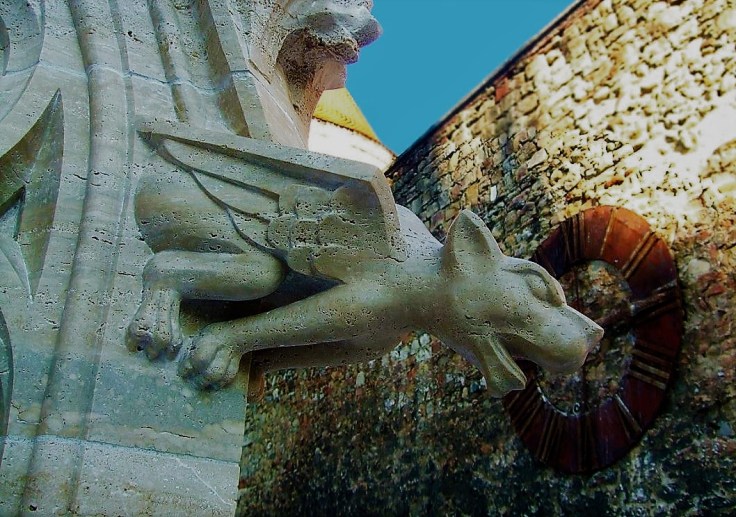
Gargoyles are stony-skinned creatures that live on ornate buildings disguised as architecture. While they cannot move in sunlight, they can see and hear, and often work as protectors of the building.
Category: Nocturnal
History
Gargoyles only became known as a species when humans began building large stone structures and carving inanimate gargoyles onto the buildings for rain dispersal and protection. It’s likely that prior to this gargoyles were a species of goblin or small troll, using their similar appearance to hide in plain sight. Over time, they took on more stone characteristics and adaptations, seeking to better look like the other statues on the buildings. They are most common in Europe, but some have made their ways elsewhere, and may occasionally disguise themselves as other stone sculptures.
There are some tales of gargoyles coming to life to defend the buildings they live on, appearing as guardians of the structure and people within.
Traits and Behavior
Gargoyles have hard, stone-like skin, and often have birth marks resembling carving marks. They will, through their lives, develop more ornate details to their appearance. Usually these details will closely resemble the style of building they are living on, and these changes appear somewhat controlled by the gargoyle in question. They are effectively immortal, but can be harmed or killed if the damage is inflicted while the gargoyle is in sunlight.
Gargoyles can be almost any size, starting at only a foot or so in height. They are born from stone pieces, and are born most often at construction sites. They will find their way onto the building as soon as they have developed limbs, then appear to be small ornate carvings until they grow old enough to take a more traditional gargoyle shape. This can take anywhere from a few years to over a century, depending on the gargoyle in question. Certain materials develop faster than others; soapstone gargoyles develop fast, but rarely gain large sizes, whereas marble gargoyles take much longer but will be more detailed and larger. Granite gargoyles are the most common.
Gargoyles can move only at night; sunlight paralyzes them and causes the outer layer of their skin to harden to stone. During this time they are more vulnerable, but are also impossible to tell from proper stone. As soon as the sun sets, or if the gargoyle has been moved into shadows, they will wake. The outer layer of stone skin will crumble off into dust. Their eyes in the day will also grow this stone skin, so many gargoyles have an inner eye lid to protect them during the day. At night, their eyes resemble a cats, and they have excellent night vision.
Gargoyles will camouflage themselves on whatever buildings in the area can reasonably hide them, most often living on churches, and view the building as under their protection. Once they have chosen a perch, they will remain there every day, returning at night to sit in the same place every time. They will not leave this home unless they absolutely have to, and will make small spaces in the building exterior to make themselves comfortable and hold their belongings. They will do what they can to keep the building in good shape, performing maintenance at night and scaring away burglars during the night. There may be several gargoyles on a building at once, but only on larger buildings, as they are not a very social species. Should several gargoyles live in one place, they will set up their own perches equally distant from each other.
Gargoyles enjoy observing humans and collecting artifacts from them during the night, hiding their small hoards in niches and crevices in the rooftop they live on. What items a gargoyle may collect can vary, but they primarily enjoy shiny items or ones that make strange noises. In some cases, they may leave these items in places the humans of their building can find them as a gift. They see humans living or working in their buildings as something between neighbors and under their (the gargoyles) protection. They are especially fond of maintenance workers, window washers, and others that work to maintain the building.
Gargoyles absorb many nutrients through their skin, feeding primarily from rainwater that shoots over them from the roof. They do occasionally need to eat outside of this, and primarily consume metals or stone. They are careful to not take anything from their own building, and are more likely to break pieces off of dumpsters or seek out garbage for food. They are particularly fond of iron that has started to rust.
While gargoyles are especially loyal to their building, they will leave if given no other choice, in which case they will seek out available hiding places each day and travel many miles overnight. They are picky, if they have to abandon their home, and may travel great distances to find just the right building. Gargoyles that are choosing a second home will not choose one already occupied unless there is a great deal of space available.
Gargoyles can imitate human speech for communication, but only have a limited language for themselves, as they rarely need to communicate amongst themselves. Their language and voices are described as sounding like rumbling stone.
If a gargoyle is killed, their body will crumble to dust within moments, leaving no trace of their presence after a few moments. A new baby gargoyle often appears in the same perching area after a few months, though whether this is a rebirth or simply taking advantage of available space is not clear. The new gargoyle often resembles the previous one, but as their appearance is based on their building, this does not confirm one way or the other.
Weaknesses
At night, a gargoyle is tough, strong and difficult to harm. During the day, their skin is tougher but more brittle, and can take severe damage. They can only be properly killed during the day, as damages inflicted at night often heals entirely once their skin hardens in the sun.
-
Changelings
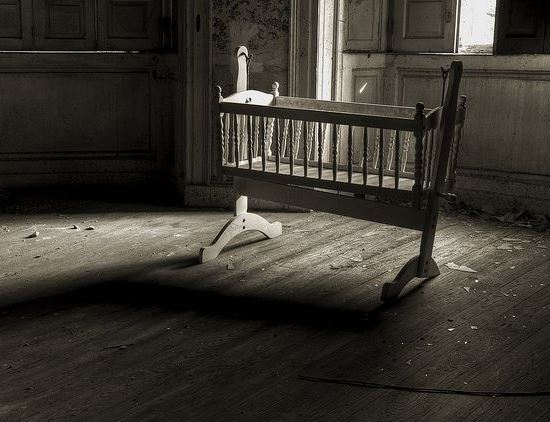
Changelings, by technicality, are not their own species, but an amalgamation of different species of fae living as humans. While rarely directly dangerous, they are known for kidnapping their human relatives.
Category: Fae
History
There are a number of reasons a faerie family may steal a human child, leaving the changeling in its’ place. Traditionally, the kidnapping is often to introduce fresh blood into faerie communities, or occasionally to leave a sickly faerie in the baby’s place for medical care from unknowing humans. Less often, they may be attempting to hide a faerie child in plain sight, taking the human as a decoy. Occasionally the switch is motivated by revenge against the human parents, though in those cases it is more common for no changeling to be left, so the parents will be aware of their missing child instead of blissfully oblivious.
In the cases of the changeling being an adult faerie in disguise, usually to be coddled in their own age or infirmity, the parents can force the changeling to reveal themselves by performing strange tasks, such as brewing tea in eggshells. The faerie will feel compelled to comment, and therefore be forced to leave. Changelings that are themselves young or infants when they are left in the humans’ care are more likely to reveal themselves with their own unusual behavior. These tales often end with the parents finding who had taken their child and forcing them to switch back.
Very rarely, a human family chooses to keep the changeling, and either the changeling child remains, becoming more human over time, or they convince their family to follow them to the faerie realms.
The story of Rumpleskilton is believed to be an attempted changeling swap, wherein the faerie Rumpleskilton would have left a changeling in the prince’s place had the queen not guessed his name. This is a more elaborate trickery than most changeling switches.
Traits and Behavior
Changelings can be any species of fae or even occasionally enchanted animals or tree branches. While it is possible for a changeling to be an adult fae in disguise to steal food and warmth from a human home, they are most often newborns or newly created themselves. To be considered a changeling, they are enchanted to appear human, including ageing at a normal rate and removing more noticeable characteristics. The enchantment can only be removed by another fae; even a changeling that has been revealed to not be human will physically stay the same. Each varying type has different behaviors associated with them, but they do share some characteristics.
Changeling babies are often more moody and needy than the human child they replaced (likely caused by the stress of the new environment/magical transformation), and will cry long into the night. The abrupt change in behavior is the most obvious sign of a child being stolen, but there may be small changes as well, such as freckles, moles or birthmarks not being in the correct places, or the infant not recognizing their parents or guardians. After a few months, though, the baby will be quiet, reclusive, and will seem to develop faster than an average infant, learning to speak in complete sentences far faster than is typical, and walking soon after crawling.
Changelings will appear human, resembling the human child they were switched for, but often will have one or two unusual factors in their appearance. Most often, this is unusually vivid eyes that develop over time, or slightly pointed ears. They may have strangely long fingers and toes, or skin tones that appear green-tinted. They will live a human life-span unless they go back to the faerie realm or eat a consistent diet of fruits from the faerie realm.
Changelings often speak in rhyme, or oddly formally for their age, and cannot directly lie (though they can avoid answering or speak in a round-about way to avoid a blunt truth instead). They will feel more comfortable in the outdoors or in nature than inside homes. Often they will be vegetarians, and artificial flavors or foods are likely to make them ill, though they can develop tolerance over time. They will have a complete intolerance to iron that will not fade, and even the briefest touch will cause pain and burns.
Changelings may, depending on their species, develop some magical abilities, most often abilities involving plants or animals. They are often somewhat clairvoyant, and can at times seem to read minds or intentions. Despite this, changelings are often at odds with humans, especially other children. They will often prefer their own company or the company of animals and pets, and may develop complex games and activities for themselves.
Unless the changeling was an adult at the time of the switch, they are often unaware they are not in fact human. Changelings’ faerie relatives may visit to clue them in to their heritage, especially if the goal was to draw them back to the faerie realm at some point. At the time the faerie family comes to take their child back, the changeling child is given the choice to stay or go, or to bring their human family with them. Changelings that choose to remain with their human family tend to lose some of their more unusual characteristics over time, becoming more human over time. Human families that go back to the faerie realms with their child will never return if they leave, even if they are unaware they have made the choice. Changeling children often leave faerie fruits for their families, and if eaten the human families cannot stay in the human realm.
The stolen human children are raised by the faerie that stole them, and will live longer than average lives in the faerie realm. The children may develop some powers over time due to magical exposure. They are treated as the child of the faerie that raised them, as the cultural belief is that it is the one that raised you, not the one that birthed you, that counts. As such, they expect the children they leave as changelings will be well treated and grow up strong. Families that reach out to their changeling children often do so to ensure they are being treated well, and may leave blessings on the human household should their changeling child stay there. If a human family decides to go with their child to the faerie realm, they are treated as family.
Changelings are often exchanged to increase diversity in an immortal faerie community, or to provide the changeling child care that the faerie family may not be capable of (as many fae are part human, occasionally medical conditions come through that they have no resources to handle). In the cases where an enchanted object or animal is left instead of a faerie child, the goal is to either punish the human family or to claim a child for themselves. What children a faerie may be interested in can vary, though they are particularly fond of redheads, freckles, seventh sons/daughters, or children with any artistic talents. Changelings made from enchanted objects are more delicate than faerie children, and often the magic breaks apart over time. Occasionally these changelings survive to age 13, at which point they are no longer in danger of breaking and are effectively human children.
Weaknesses
Changelings cannot lie, and if forced to confirm they are not human they will usually head to the faerie realms themselves. However, they only cannot say what they know to be a lie, so a changeling that is unaware they aren’t human will be able to call themselves human without issue.
Changeling are unable to touch iron, and will develop immediate burns from contact with the metal. If they are forced in contact long enough, the magic glamour (or disguise) will fall apart. This will also cause severe pain and can kill the changeling, who is a child and not nearly as resilient to harm as an adult. Any changeling over the age of 13 will have absorbed the glamour and cannot be forced into another shape, as their previous appearance is no longer their own.
To avoid having your child stolen/switched in the first place, placing cold iron in their cradle or over the threshold of their room is an effective deterrent. Keys and horseshoes are traditional choices, but any iron will be effective. Offerings placed outside the home at the birth of the new child may curb any grudges previously held, or can endear you and your child to more friendly fae that will protect the home and family within.
-
Phoenix

The phoenix is an immortal creature of flame and ashes, in a never-ending cycle of rebirth. It is said their song is so mournful that listeners will burst into tears upon hearing it.
Category: Sky/Immortal
History
Hailing originally from the Mediterranean, the phoenix is associated with the sun and the cycle of life and death, as well as the general theme of metamorphosis. It is often used as symbolic of immortality.
Traits and Behavior
Phoenixes are a bird, roughly the same size as a falcon, with bright plumage in shades of red, orange and yellow. They have long, trailing tail feathers that when spread have a similar eye pattern to peacock feathers, with spots of dark purple. They have a slightly curved beak and a small crest of purple feathers on their heads. The edges of their wings often have a metallic tint and may gleam or shine in direct sunlight. Phoenixes do not have physical genders, and do not procreate.
Phoenixes are born in the midst of a bright fire, although many times the flame is the rebirth fire of a phoenix, so it is unclear when a new phoenix is rising versus when an older one is being reborn into fire. Newborn phoenixes are small, with ashy grey feathers and are relatively helpless, hiding in the ashes and embers of the fire until they are able to fly again, at about one month old. Once their flight feathers come in, phoenixes do not change in appearance until they reach the end of that lifetime, at which point they will appear brighter and more vibrant than usual, a sign they are ready to combust. They will use the metallic shine of their feathers to start the fire, which can burn as hot as 1500 °F, and lasts until the body has completely burned to ash and been re-forged in the flames.
If the phoenix has reached the end of their life and is ready to renew the cycle, they will build a nest of plants and sweet smelling herbs (cinnamon bark and spikenard are common elements), and settle in for the fire. The choices in herbs seems to be a preference, not a necessity, and seems to simply be a choice for a good smelling fire, or perhaps a way to hide the smell of an infant phoenix after the flames have died down and before they are able to fly again. The phoenix will choose a secluded location for this, often high craggy cliffs that can’t be reached except by air. While phoenixes will be reborn if they are physically harmed badly enough to be killed, they are vulnerable during the rebirth process and cannot heal severe wounds until the rebirthing fire. They are common targets of poachers because of this; phoenix feathers are valuable as fire-starters and decorative items, and it is believed that phoenix ashes can bring long life if consumed.
While a phoenix has a number of steps they will follow before a planned fire, if a phoenix is killed or mortally wounded, they will spontaneously combust where they are and be reborn from those ashes. As they are very vulnerable at this time, they will try to hide in the ashes of the fire to avoid being seen. Infant phoenixes do not need to eat until their first flight, so they can feasibly hide until this time. Being killed unexpectedly has caused a number of phoenix related forest fires, as the flames from a phoenix can burn for up to an hour while consuming and rebuilding the phoenix from ash.
Phoenixes are naturally reclusive, and spend much of their time in flight, settling for the nights in their nests, built in tall trees or cliffs. They often live around mountainous regions, but some prefer islands and volcanic areas. As they don’t procreate, a phoenix may go its entire existence without interacting with another phoenix. As such, they have no method of communication, outside of their songs, which seem to be more for themselves than for communication. When they do meet, they rarely interact, and more often both fly off in another direction. They are not overly territorial, except when building a rebirth nest, which they will defend violently until the last moment as an effort to keep away poachers and any outside threats that may come in when they are vulnerable.
Phoenixes are omnivores, but prefer insects and nuts as a food source. They may fly for miles to preferred food sources, preferring this over living closer to where other animals and humans may live. While phoenixes are generally tolerant of other species, they are wary of humans and will avoid them whenever possible.
The phoenix song, which is known to be supernaturally dreary and sad, is rarely heard. As phoenixes do not communicate with each other, it is unknown what triggers the song. Some speculate it is the phoenix itself mourning something or someone, but this has not been confirmed. It is often heard around sights of great destruction, however, so the theory is probable.
Weaknesses
Phoenixes are not any stronger or faster than the average falcon, and are a non-threatening species that will run if threatened. They can reasonably be taken down by a net or snare, but they are most vulnerable as a newly burned infant. If their wings are clipped or damaged at this age, they will not recover unless they burn again. That being said, phoenixes offer no threat to anyone outside of accidental damages related to the fires they cause, and should be left alone. There is no proof to the theory that their ashes are useful for healing or rejuvenation.
-
Starlight Dragon
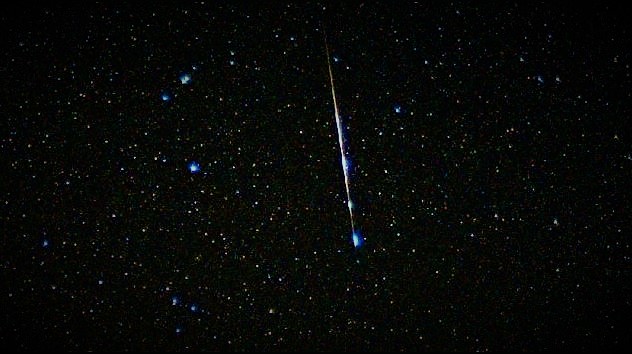
Starlight dragons are a mysterious creature primarily found over the Pacific Ocean, though they rarely land. Their wings glow with the gathered light of the cosmos.
Category: Dragon
History
Starlight dragons stay in the air the vast majority of their time, and are generally only seen at night. Because their wings glow and flicker in the night sky, they are often mistaken for shooting stars streaking across the sky. As with a shooting star, seeing one in the sky is a sign of good luck, especially in sailors stories.
Traits and Behavior
Starlight dragons have thick strong scales that are deep blue, nearly black, and wide spanning wings. While their bodies remain a matte color, their wings will glitter and glow from gathered starlight. When they fly, they often look like shooting stars, or airplanes in modern times. They can grow as large as 15 feet from nose to tail, with a wingspan of 20-25 feet, but are most often between 8-10 feet in length.
Their bodies are thin, with 4 short legs and a long thin tail to minimize their weight. Their wings are also thin, but deceptively strong, capable of carrying another fully-grown dragon for short distances. The skin of the wings is leathery in nature, and gathers light along the top of the wings. Starlight dragons use this light as a source of energy, and are dependent on it for sustenance. They can fly to immense heights and will go above cloud cover if necessary to gather light.
The light they gather is only starlight; they show no interest in moonlight and will not fly in the sun. Their wings glow and shine is a result of bioluminescence, and the glow will die down as the dragon uses up energy. Before their wings go entirely dark they will gather more light, rising to great heights to do so if needed. The dragons do not need to breathe as much as most earth species, and can reach the upper levels of the atmosphere with no issues. They are equally unbothered by the extreme cold. Some starlight dragons will linger at the poles rather than fly long distances, crossing from one end of the earth to the other only twice a year to follow the long polar nights.
Starlight dragons are exclusively nocturnal, flying through the night to stay under cover of darkness. When they need to sleep, they float on updrafts and air currents to remain in the air. They will only land to lay their eggs, which are protected by the parents until they hatch, generally within 3 weeks. Until hatched, the eggs resemble pieces of obsidian. When hatched, the mother will gather the hatchlings onto her back and take to the air again. The dragons will learn to fly at 2-3 weeks old, and will follow their parents for another year, sleeping on their parents backs instead of drifting. At a year old they will fly to other areas to find other groups, called flights, or to fly solo.
Starlight dragons communicate in low tones, similar to whale song, and have occasionally been observed calling out to whale pods when they surface. It is unclear if they can actually communicate between species or not. They do appear to be able to communicate with other dragons if they interact, regardless of the other dragons method of communication.
Due to their strength, other species occasionally catch a ride on a starlight dragons back while in flight. The dragons are fairly tolerable of this, but may roll over mid-flight to rid themselves of a troublesome passenger. These dragons do not have any natural predators, so they are rarely bothered by other species, and show no territorial nature outside of protecting their nests wile their eggs grow. They do not eat anything other than starlight, and do not have fangs. They can increase the glow of their wings to blind an enemy for a time while they fly away, using their higher tolerance for high altitudes to evade any threats. As they usually fly above average altitudes, they are rarely observed by anyone, and will go above airplanes when they go by.
Starlight dragons can live up to 250 years old. When they are reaching their last moments, they will fly lower until they reach the ocean, then land in the waves and sink. The other dragons in their flight will circle the area for a time, often singing, before continuing their flight. If a dragon cannot make it to water, their flight will carry their body there.
Weaknesses
Starlight dragons need starlight to survive. If they are completely deprived of light long enough for their wings to go dark, they will starve. While sunlight is also, technically, starlight, the dragons seem unable to use it as energy. There is some speculation that the distances the light of distant stars need to travel plays a part in changing the energy, but the exact reason is not known. Starlight dragons otherwise need nothing else, not even water, and have no other known weaknesses.
-
Shadows

Shadows are shapeshifting creatures made of the blackest insubstantial shadow. While primarily incorporeal, they can become solid enough to be dangerous
Category: Apparition
History
Shadows form in places of great tragedy and darkness, such as battlegrounds and tombs. They are not quite ghosts, as they are not the imprint of a departed soul, but they share a number of characteristics and often legends mix up the terms. But while ghosts motives can vary, shadows are inherently dark and will not be benevolent.
Shadows traditionally appear in the dark or at night, and seek to drag anyone near them into the darkness with them, possibly to increase their numbers or size.
Traits and Behavior
Shadows appear to be a dark shadow, and will adopt the shape of the things and people around it to hide. It will be slightly darker than a standard shadow and may not fill the entire space it is hiding in, leaving patches of lighter shade around the edges of the shadow. If it has large enough space, it may show limbs or extremities, but largely attempts to remain unnoticed.
Shadows cannot stand any form of light, either artificial or natural, and will flee from it at all costs. If exposed to light, the shadow will be burned away until it either manages to escape or vanishes entirely. Supposedly, they will smell of burnt sugar and oil if this occurs.
Shadows gain strength, and size, based on the amount of dark energy is in an area. Dark energy gathers in areas of tragedy, such as murder and battle, or in homes with domestic abuse or even particularly miserable working environments. The more horrific acts are committed in one place, the larger amount of energy a shadow can feed off of. To keep the flow of energy available to them, they often seek to scare or even kill anyone who enters the area, and are responsible for plenty of ghost stories.
They do not need to kill to gather energy, and in some cases may prefer not to do so. Fear and anger are equally viable forms of energy, and often shadows will seek to scare people rather than directly cause harm. They may knock things over or breathe cold air down a persons neck, or even trip people walking by. Some have the ability to whisper, but they cannot actually speak and can only produce unclear imitations. Their presence usually drains electricity from nearby electronics.
Shadows remain incorporeal unless they are actively trying to effect humans, and can slip through walls, floors and other surfaces so long as the surface is covered in shadow and there is any hint of a gap (such as between floorboards). They can move freely through a darkened space. They can even split their bodies into multiple parts if they are large enough; the pieces will be able to move independently and can be considered new shadows. As shadows do not procreate, this is the primary method by which they reproduce. They can also come into being in a new location at the moment a surge of dark energy occurs. This is often magical in nature, but can occur from human intervention.
When not hiding, shadows can hold almost any form, so long as they don’t exceed their maximum size. Some prefer to appear as humanoid shapes, others as animals, and some as less definitive figures, often appearing to observers as masses of tentacles and limbs. They can shrink down from their maximum size, and if they do so their mass takes a more solid, three dimensional appearance resembling a sludge. They will always be dark, but can take on an iridescence when in the sludge-like form. Their texture is reported to be cold and flimsy, but otherwise indescribable.
As they cannot travel in light, shadows will remain at their birthplace unless it is no longer an option. Their activity will get frantic and more violent if their home is threatened, but it unclear if this is because they truly understand the threat or if it’s a reaction to the light and noise large amounts of humans bring with them. If they are forced out, they will seek out the nearest available food source, and will make efforts to not be noticed until they have been able to settle into a new space. They may in very rare occasion seek to make a new food source by causing fear, anger or death, but this seems to only occur if they have no better options.
While shadows can be found almost anywhere, they are most often found in graveyards, battlegrounds or sights of accidents. They seek places that are visited by survivors or mourners in particular as they offer a constant food source. During the day they will find hiding places wherever they can, under tree roots or furniture, inside mausoleums or inside floorboards. At night they go out and appear to socialize with other shadows in their area, although their method of communication is unknown.
There are reported shadows that seek out haunted houses or theme parks and feed off the fear there; these shadows may even assist in startling humans going through these attractions. Because humans seek out these places, there is not as much energy available from those interactions, so the populations of shadows in these areas will be lower.
Weaknesses
Shadows can hide almost anywhere, but can become trapped if completely surrounded by light on a surface they can’t sink through (i.e. something that has no gaps to slip through or is lit from below). When they run out of places to flee to, the shadow will shrink in on itself until there is no space left; shadows can be trapped in a dark container at this stage, and will not be able to escape if the container is sealed. They can often be safely released into a graveyard at that point. As mentioned earlier, they will burn up if exposed directly to light long enough to burn away their body entirely.
-
Kobolds
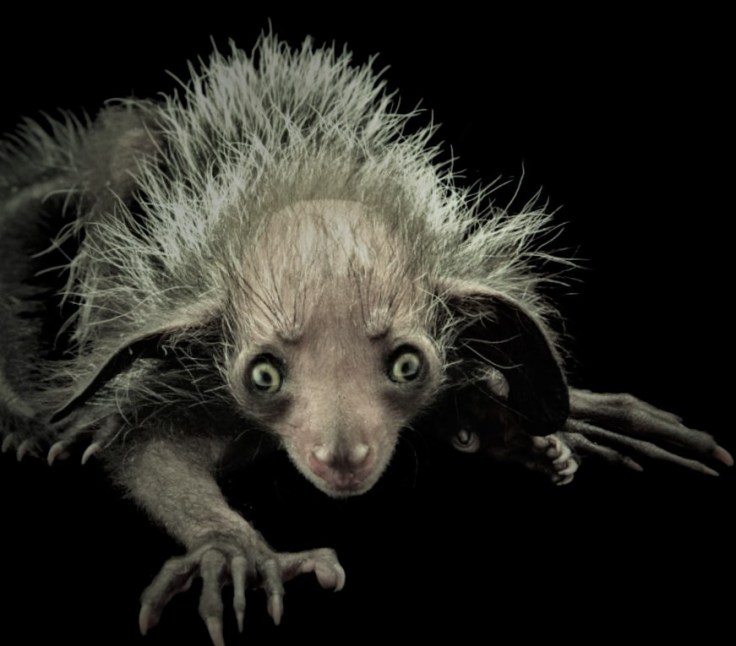
The kobold is a small, reclusive creature that lives in deep caves underground hollows. Also called stone imps or knockers, they are known for their deep voices and glowing eyes.
Category: Mountainous
History
Kobolds have been sighted many times throughout history, though they are often mistaken for goblins, dwarves and other small supernatural creatures. They are known for appearing in the darkness of deep caves and mines, their eyes glowing like lanterns in the deep darkness. They have led miners and explorers to their deaths by drawing them into the unexplored caverns and tunnels of the mountains, but other legends have them leading lost people out of the caves or towards veins of gold and gemstones.
Kobolds do not seek out humans; they will be found in the caves around their homes, but they will not venture outside. Any legends of this scenario was likely a goblin.
Traits and Behavior
The kobold is a small creature with pale skin, large eyes and bat-like ears. They are spindly, with long skinny limbs to assist in climbing and tough outer skin. They have long, thick fingers used for tapping along cavern walls. Using their enhanced hearing, they tap along the walls of caves and tunnels to find veins of gems or precious metals, similar to an aye aye searching for insects under bark. It is this habit that earned them the nickname knockers, as the tapping can be heard for great distances. Kobolds can also tap with their toes, which are nearly as long as their fingers, and they can be used almost as well as hands.
Kobolds are extremely sensitive to light, and cannot go outdoors in the daylight no matter how overcast. Even the light of the moon is painful, so kobolds will only ever go out during the new moon, or occasionally while covering their eyes entirely and using sound to navigate.
Kobolds live in communities deep in the underground, and are often found in deep mines. They seek out veins of precious metals and minerals, but unlike other species seem content to locate them only, as they do not mine them. Kobolds tunnels are often carved to run alongside these veins, so their walls sparkle and gleam with the materials.
Despite minimal interest in mining themselves, they find the process and results of others mining fascinating, and will seek out mining tunnels to sneak along, or carve their own around them to listen in. They have been known to steal mining tools, scraps and small pieces of the remaining rocks or even the metals themselves if they have been removed from the rock already. These are used for decoration around their own tunnels.
Kobolds are especially fond of crystals, and they frequently carve large caverns for the purpose of growing them. These growths can go back centuries, tended by kobolds over generations. Kobolds struggle to see color due to their light sensitivity, but love the complex light and shapes the crystals produce.
Kobolds can climb horizontally and vertically along cavern walls, as both their fingers and toes are designed for grip against even the smoothest stone. Their eyes glow in the dark in a yellow-orange color, and reflect light. In proper lighting they are effectively blind, but can see in almost pure darkness. They also use their hearing to move around, and speak in a pitch similar to bats. It is unclear if they use echolocation as bats do.
Kobolds rarely have children, but when they do they are born in large groups, and raised communally. They are considered an adult at 2 years old, and can live up to a century. An adult kobold may choose to venture to another mining vein to join other communities, or may start one themselves, but they rarely leave the mountain they were born in unless there is no longer enough space. Instead of traveling above ground they will dig new tunnels to another area, using their tapping to find other veins of metal to settle by. A mountain chain can feasibly hold hundreds of these communities, connected by small tunnels or caverns. Kobolds are not especially territorial, and welcome other mountain dwellers into their homes, even non-kobolds. They will retreat temporarily if their homes are discovered by humans, but often try closing off the access tunnels instead of leaving.
Kobolds are omnivores, eating small insects and fish found in underground lakes and rivers, as well as species of lichen and moss. They often cultivate the moss themselves to ensure a steady supply.
Because of their interest in miners, kobolds often end up lingering on the edges of mining tunnels, and their tapping can often be heard nearby. Some miners will follow the tapping, as it frequently leads to the metals that kobolds are fond of. Other times, however, it can lead to deeper, darker caverns and has lead many explorers and miners to their presumed deaths. It isn’t known if kobolds are intentionally leading people anywhere, or if being heard is incidental. There are some legends of kobolds tapping frantically to warn of impending cave collapses, which does seem to happen on occasion. If they are seen, though, they are quick to retreat to their own tunnels, though this could be to hide from the light of mining lamps.
Weaknesses
Kobolds are not inherently dangerous, as any harm to others seems incidental and not intended. If one needs to escape one, blinding them is the most effective method, and leaving the caves for the outdoors a guarantee they will not pursue unless there is no light outside.
-
Unicorn

A graceful and majestic creature, the unicorn is a reclusive species living in the most remote and wild forests of the world.
Category: Forests/Diurnal
History
Unicorns are believed to be symbols of purity, both of body and spirit. A common myth suggests they can only be caught or tamed by a virgin, though translations of ‘virgin’ may have originally said maiden or innocent. Whichever it was, any who did not meet the unicorn’s criteria was likely to be gored with their horn.
Unicorns were also depicted as wild, untamable beasts capable of great speeds and strength. To approach one was incredibly risky, and therefore items made of their horns were incredibly valued and rare. A drink served in a glass made of unicorn horn cannot be poisoned; the horn itself purifies all toxins.
Their association with purity and their wild nature may have come about as a result of human destruction of natural habitats, with the unicorn as the symbol of the remaining lands not yet touched by human hands.
Unicorns are occasionally believed to be symbols of fertility, though more often associated with fertility of fields and finances instead of childbearing.
Traits and Behavior
The unicorn, despite popular depictions, is not a horned horse. They are smaller, closer to the size of a donkey at their largest, with long legs and a tufted tail. Their hair and manes are varying shades of white, with only the briefest hint of color as they age. Their horn is a material closely resembling ivory, and twists into a single point that grows in length as they age. If broken off, the horn will regrow from the broken point, but there will be a noticeable scar where the horn had to regrow. Unicorns have cloven hoofs, and tufts of longer hair on their ankles and at the end of their long tail. Older unicorns often have small beards under their chin.
Unicorns’ eyes can be a wide variety of colors, but are most often a reflection of the colors of their chosen territory as an adult; a mountainous unicorn will often have grey eyes, a forest one green and brown. Their eyes may be mismatched, or multiple colors each, and they have square pupils similar to a goat.
Unicorns are generally born alone or with a twin, but rarely any larger groups. Baby unicorns have spots, similar to a deer, in shades of grey that will fade as they age. They will grow their horn at the age of 3-5 and it will slowly grow and twist as they age. The length and number of twists in a horn can indicate the age of a unicorn. When young, unicorns gather in small groups of other foals to run through the woods, but as they age they become more reclusive and spread apart and set up their own territories.
Unicorns only seek each other out for the purposes of having children; the couple will stay together for the first decade of the foals life, before leaving again. Unicorns will remain faithful to their partner despite the distance, and will only ever have one mate. Should their mate die, the other will live on in solitude. Unicorns occasionally visit their parents in their own territories, but this is rare.
Unicorns are herbivores, but they will defend their territories to the death if needed, and have been known to occasionally eat their kills afterwards. Whether this provides any nutrition, or if it could be an intimidation tactic, is unclear.
Unicorns seek out the most remote areas possible for their homes. They are excellent climbers, and often live in secluded glades high in the mountains. They primarily eat grasses and flowers living in the area, and may venture south at certain times of the year for specific plants. Baby’s breath and lily of the valley are favorites, and they will seek them out even if it means leaving their home for a time. In the winter, when food is scarce, they often travel within their territories for days at a time to locate food. They can survive on very little if needed.
While unicorns are solitary in nature, their territories are often full of other creatures, frequently dryads and sprites. The territory of a unicorn has a natural low level of magic in the land, and will be more fruitful and healthy than surrounding areas. It is unclear if this is caused by the unicorn or what draws it to an area when settling their territory, and may be a combination of the two factors. The unicorn will chase out any creatures it does not want in its territory, not just humans, and knows almost immediately if an unwelcome guest has breached their borders. Unicorns mark the edges of their territory by carving their horn into tree bark or into rock formations, and the marks glow slightly with internal light. Passing one of these markings without being welcomed will give a person an immense feeling of dread, and the desire to immediately leave the area. Any who are welcome in the territory have reported a feeling of warmth and joy.
As with the kelpie, a unicorn will not allow itself to be ridden, and will kill any who make the attempt.
Unicorns are effectively immortal, in the sense that once they reach maturity they will not age. Though their appearance may shift, they will not suffer what most creatures will past their prime, and can feasibly go on forever. Unicorns are usually killed by other creatures, human intervention, or natural disasters. Eating the flesh of a unicorn will cause horrific damage to the body, but can confer longer life on whoever would do so. Their flesh is reported to be especially bitter. If left alone, the body of a unicorn will decompose swiftly, and the area around it will sprout flowers regardless of the time of year.
Weaknesses
While non-aging, a unicorn can be killed by any manner of weaponry. They are immune to poison, as unicorns have a naturally purifying presence. They can be made ill if stranded in a polluted location, but if left for long enough the area will become cleaner.
Unicorns are immune to many magics as well. While they may be more accepting of a person of pure heart and intentions, they will not allow themselves to be captured without a fight. Captive unicorns will make any who are nearby ill, as their purification talent is reversed.
Unicorns are diurnal species, and thus are primarily awake during the day. They have poor night vision.
-
Fire Sprites

While similar in appearance to sprites, the fire sprite is more closely related to the will-o’-the-wisp. Typically appearing as a small humanoid made of fire, they are often accused of starting forest fires.
Category: Apparition/Fire
History
Fire sprites are a little known species often blamed for wild fires. While they often are found at the scenes of large fires and occasionally volcanic eruptions, They have minimal abilities to cause fires themselves. It is more likely they are drawn to an area with active flames.
Some sightings of will-o’-the-wisps may in fact be fire sprites flitting through the trees at night.
Traits and Behavior
Fire sprites are small flame creatures that usually take a humanoid shape with wings, though some prefer no wings, or even animal and other creatures shapes. They will usually appear yellow or orange, and from a distance appear to be a floating candle. Some very few sprites appear as blue flames, usually only in proximity to a large fire. They give off heat the same as a flame, and can light objects on fire by touching them.
Up close, they do not have clearly defined features, only the rough appearance of limbs and body, but can clearly see in both daylight and darkness. They are most active at night, but it is not uncommon for them to be seen in bright sunlight.
Their habitats vary, as they are often found in volcanic areas, or areas prone to burning such as grasslands and some forests. Despite the natural heat, they are not often seen in deserts or similarly hot environments; they are somewhat dependent on there being the possibility of fire.
Sprites feed off of the smoke, ash and heat from fire. They can light their own, by lighting grasses and leaves alight on their own, or they can feed off a natural fire or extreme heat source. There are some reports of fire sprites being found in nuclear reactors. Whether fire sprites actually light wildfires or are simply drawn to them as a food source is not known, and it could be a combination of both. If a large number of fire sprites gather in one area (that is not currently burning), the area will be unseasonably warm and bright; the sprites themselves appear in a larger number of colors than usual. Some sources indicate fire sprites appear different colors when directly in a fire even when they are alone, so this change in color in groups could be a result of the higher temperature.
Fire sprites do not appear to have a spoken language, and how they communicate is not known. As sprites are very sensitive to temperature changes, a temperature based form of communication has been proposed, but not substantiated.
It is unknown if fire sprites have communities, or even if they sleep in any recognizable sense. They are only ever seen in fire form, and as this form will light a surface on fire if exposed, it is possible they can only sleep or rest while within a fire already.
There is some speculation that fire sprites are in fact wisps, and the different forms are simply different chosen appearances. However, fire sprites are not known to lead travelers astray or linger in magical areas as will-o’-the-wisps are, and the similarities appear to be mostly appearance based, not behavior based. Wisps are also not known to give off any form of heat. The possibility cannot be completely discounted, however.
Weaknesses
As individuals, a fire sprite can be scared off or possibly killed by extreme cold or being submerged in water. Throwing a bucket of water at one will scare it off, and they do appear to leave rather than linger or try to get revenge for the treatment. Larger groups can be scared off with larger volumes of water, and sprites do not appear to congregate in places with large amounts of water available for this purpose.
If a fire has already started, fire sprites will not be easily deterred, as they are feeding off the flames and will often prioritize feeding over leaving. So long as the fire is burning, it is unlikely you will be able to remove the sprites.
-
Gryphons
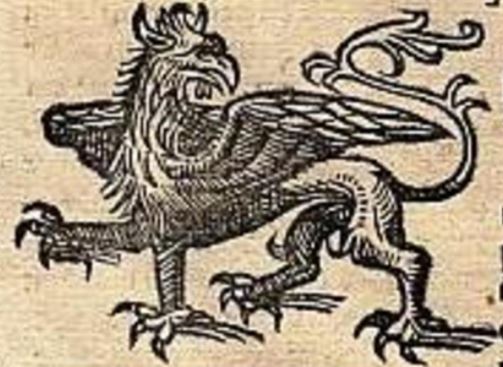
The traditional gryphon (or griffin) is a symbol of strength and unity, and a fearsome creature. Though many varieties exist, the most traditional is of an eagle’s head and wings on the body of a lion.
Category: Mountainous/Aerial
History
The traditional gryphon is the mix of a lion and eagle, who are both considered kings of their domains (lands and air). Therefore, the gryphon is believed to be the king of all beasts by many legends. They are strong, proud creatures and are often associated with guardians of treasure and precious metals.
Gryphon feathers are believed to confer that protection to the holder, and are often used in amulets and jewelry.
Traits and Behavior
Gryphons are a creature with the appearance of being half bird, half feline. The split between cat and bird traits varies, but they will always have four feet (often the front limbs are bird-like, the rear two feline), and a single set of wings. Most have a bird-like head with a beak, both for grooming and for hunting. They will have feathers on their front two limbs and wings, fur on their rear legs, and a feline tail. Some species will have feathers along the length of the tail, but the structure remains feline.
Gryphons have a very light skeleton and muscle structure, but are not fully hollow boned, and their wings can inflict severe damage if they strike out with one. They prefer this attack over using their talons or rear claws as it allows them to remain distant and gives them an opening to fly away if needed.
While the most famous version of the gryphon is the lion-eagle, a large variety of them do exist. The lion gryphons are the largest variety, and they live in mountainous regions, making their homes in airy high cliffs and caves. Despite being the most well-known, these types of gryphons are rarer than their relatives, possibly due to a history of being hunted for their feathers. Some will try to raise gryphon fledglings as guardians, but gryphons will never be loyal to a human in this manner, and they are generally killed while the gryphon escapes. All gryphons are carnivores; they hunt a large variety of species depending on region, but will not eat serpents of any kind. They will kill them on sight.
Gryphons are born from eggs, the shells of which often appear veined in gold. Pieces are often sold as an ingredient to protective charms. Once hatched, gryphon fledglings will quickly learn to walk, and are talented climbers from a very young age.
Lion gryphons are the fiercest of their species, and are very territorial. A colony of gryphons will often claim an entire mountain range as their home, settling a number of nesting and flight areas amongst the cliffs. Their eagle wings are often flecked with golden veins and spots that catch the light. The light shining off their wings is used as a threat display warning predators of a gryphon in the area, and can also be used in mating dances. These gryphons live in large groups with complex social structures, and raise their cubs communally. The cubs cannot fly for their first 5 months, and are closely guarded by all members of the group for their first 3 years. At that point, they may leave to find another flock. Lion gryphons are the longest lived of their species, and can live up to 150 years old.
The most common of the gryphon species are of the small-cat varieties. Ocelots, pallas cats and even house cat species make up the majority of these types, and are generally mixed with song birds. They live in large colonies and can be found all over the world due to human intervention, as they are popular pets in many regions. Many make their nests in large trees or woodlands, but they largely prefer tall rocky areas to live in. Domesticated species are generally friendly and social, and need consistent grooming. Some need specialized attention due to their complex grooming needs, such as the Persian/Macaw gryphon. They primarily eat small rodents and insects, but will occasionally consume fruit or nuts. They do not offer a nutritional benefit, but they enjoy them as a treat.
Medium gryphon species, of the lynx and puma varieties, are the shyest of the species, and are rare to observe. They thrive in less populated areas, and rarely interact with humans. They are most often combined with hawks, falcons and eagles, and primarily live in remote, mountainous areas. They live in smaller social groups due to their reclusive nature, and primarily hunt rabbits and other rodents.
Weaknesses
Gryphons share a hatred of snakes, and will kill them on sight. Larger species of gryphons have been known to fight Nagas for territory, and they cannot remain in the same area peacefully.
Due to the delicate nature of their wings, a broken bone for a gryphon can mean lifelong damage. A broken leg is also an issue, but the wing bones are more prone to healing crooked or not at all. Gryphons that can’t fly usually live in their flock as a caregiver to the cubs, if the flock can get them to their territory safely.
-
Tropical Mermaids
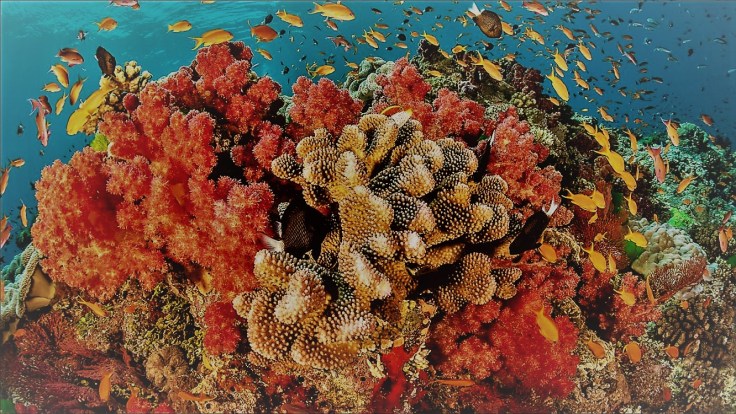
Tropical merfolk are the smallest of the merfolk species; their small stature and bright coloring makes them unique amongst their larger and less vivid relatives.
Category: Aquatic
History
Due to their small size, tropical merfolk are less known than their larger relatives, and few stories are told of them. Many are mistaken for seahorses or tropical fish, and unlike larger merfolk they do not sing at a register audible to human ears.
Traits and Behavior
Tropical merfolk range in size from 3-8 inches in length. Their upper torso resembles that of a human, and their lower body is a single tail that compromises 1/2-2/3 of their body length. Most of their body will have the same coloration, with scales on their lower half and thick skin on the upper body. Their colors can be a myriad of options, mostly bright vivid colors resembling the tropical fish of their region. Most have fish-like tails, but some will have a more curled tail resembling a seahorse.
Merfolk are an aquatic species that can breathe underwater, through the use of two sets of gills; a large set on the waist and a smaller set underneath the ears on either side of their head. They rarely come to the surface, preferring to stay hidden in the coral reef.
Instead of hair, merfolk have filaments that grow at a variety of lengths. These operate as a sensory organ, giving the mermaid or merman in question some indication of water currents and changes in temperature. They often decorate these filaments with small shells or stones.
Tropical merfolk build their communities in coral reefs, taking advantage of the rocky outcroppings and anemone to defend their homes. Individual homes may be small spaces within rock or coral, or build from large abandoned shells. Some will create homes inside abandoned human garbage, such as plastic tubs or metal cans. They live in large schools of several family groups, and usually contain a number of different colored members. Coloration varies dramatically, but baby merfolk usually resemble their mothers more so than their fathers.
Merfolk are hatched from small, soft eggs laid in large clutches by the mother before being fertilized. Once hatched, they are dependent on their parents for a few months before being capable of hunting and hiding from predators on their own. Some will venture out and join other communities, but most will remain in the area they were born in. They live 50-80 years on average.
Merfolk are omnivorous, growing seaweed and other vegetation, and catching small fish and crustaceans for meat. They also use some types of seaweed to weave clothing and decorations for their homes and hair filaments. They are fascinated by trash found in the ocean, and many will use plastics for décor or jewelry.
Tropical merfolk are incredibly shy, and are rarely observed directly. More often, their jewelry or clothing washes ashore or is found by scuba divers, though most are mistaken for natural occurrences. If threatened, they will attempt to hide, but will attack if given no other options. Their hair filaments can be venomous based on died, and can temporarily paralyze an enemy while they escape. While not territorial, they prefer not to move away from established communities and will return to an area over and over even if a predator has been spotted.
Due to their shy nature, tropical merfolk social habits are difficult to determine. Some observers believe they are a matriarchy, with the eldest female member of the community taking charge, but this is undetermined. One older female will usually have an elaborate headdress, but it is unclear if this indicates ranking, age or some other feature.
All merfolk can communicate with each other (regional accents notwithstanding), but tropical merfolk are significantly higher pitched than their larger brethren, and are rarely audible to human ears. They do not have a writing system, but do occasionally create carvings to tell stories and record history. These carvings resemble hieroglyphics but do not seem to have the full complexity of a written language. Most of their carvings have to do with the movements of the fish in their reef.
While their movements are primarily during the day, merfolk do have decent night vision and can see limited colors on the UV spectrum.
Weaknesses
Tropical merfolk are shy, and very small. They are difficult to lure out into the open and are rarely observed. You are more likely to find temporarily abandoned dwellings than to see one directly, as their homes are usually carved or created with a large number of escape tunnels. Nests with living eggs are at the far back of the tunnels and impossible for a human to reach without destroying the rock the nest was carved into.
Their venom is not strong enough to be lethal for a fully grown human, but it will temporarily cause paralysis or numbness depending on strength. If hit, the effects will be immediate, so do not dive alone in areas believed to house tropical merfolk. They will generally paralyze an enemy, and use the opportunity to flee or hide further in the coral. They are immune to the effects of most anemone and may choose to hide within their strands if they cannot get back to their tunnels. If there is a large enough threat, several members of the community may attack at once, and several hits of their venom can be lethal. As the effects are too fast to counter, the best way to stay safe from them is to leave them alone.
Merfolk breathe water, and will suffocate or dry out if brought out of the water for long enough.
 The Creature Compendium